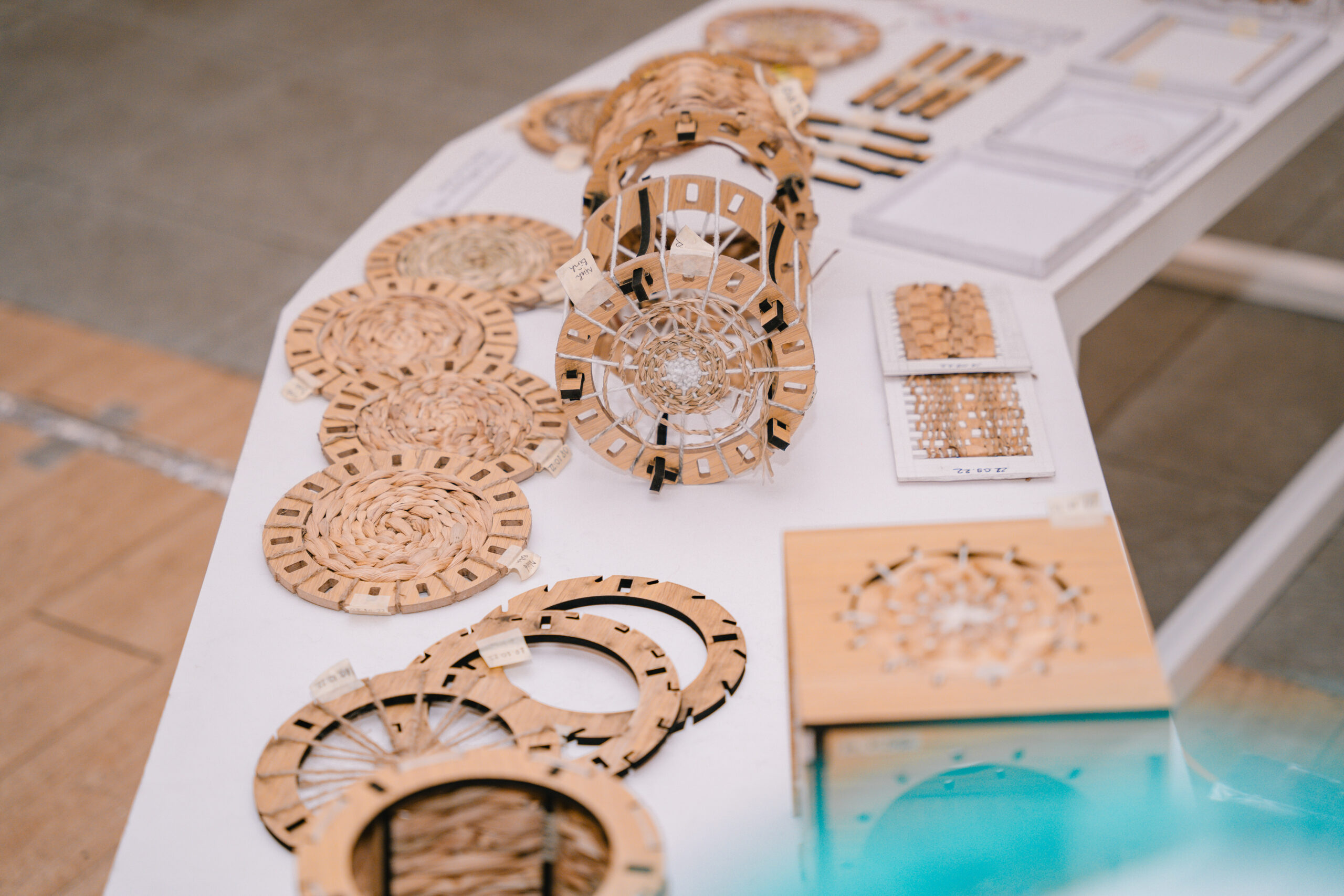
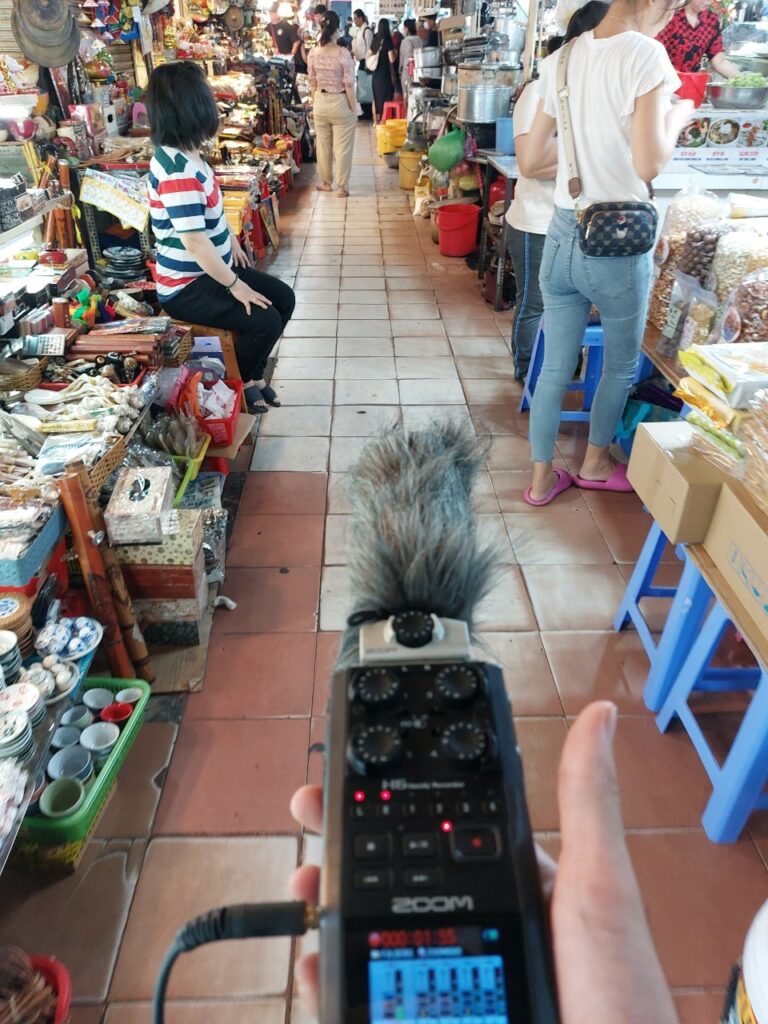
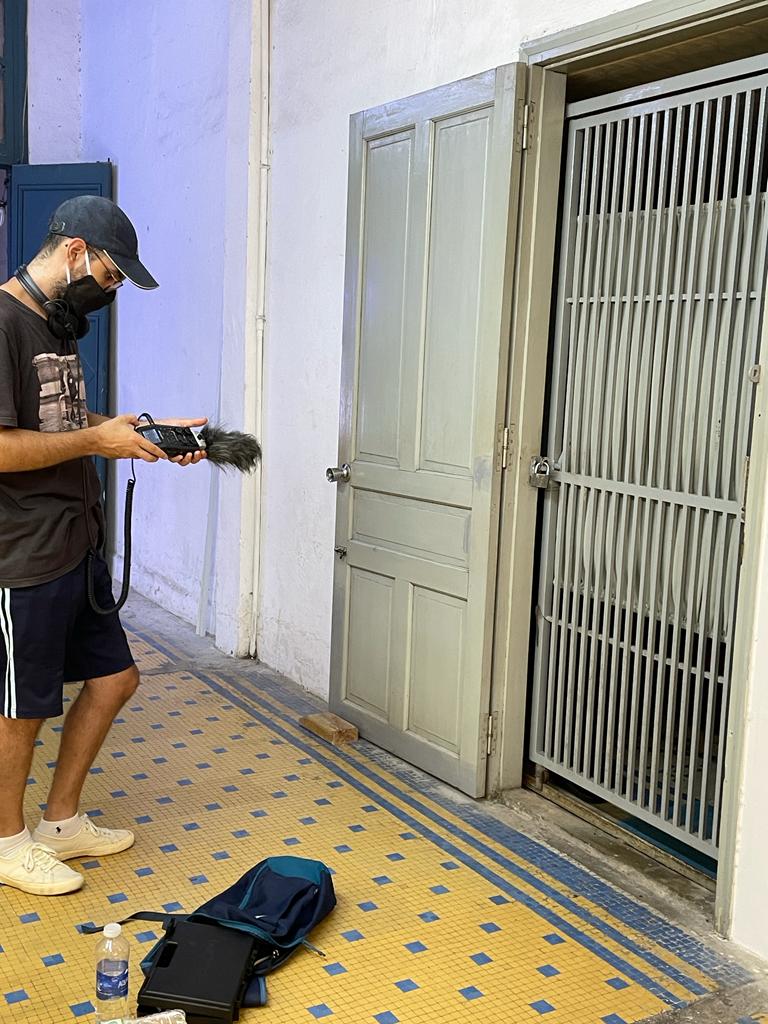
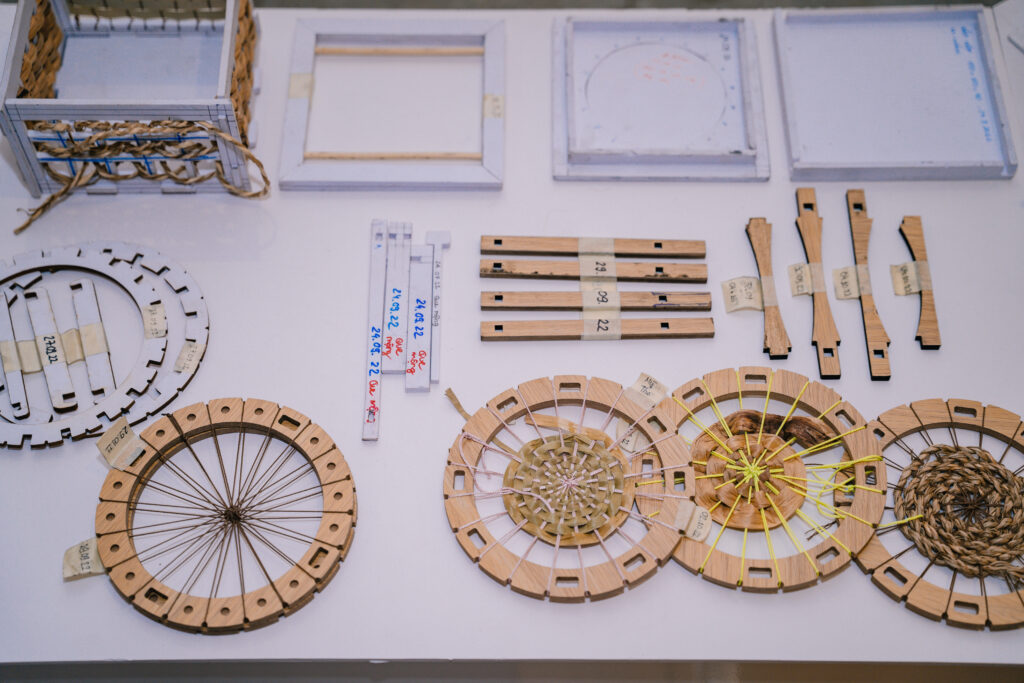
More fortunate than these two teams, the creative pair of Officine Gặp and HUM, while working on their project Crafting a Sonic City, found a free, usable, high-quality archive of sounds from cities around the world, including Hanoi and Saigon. This audio archive is created by a foreigner, and has become a great source of inspiration for the team. “If a certain sound will disappear from our archive in 10 years, it might mean that something that was part of the city’s identity has disappeared. I think that it is far more interesting and relevant to see the act of ‘archiving’ as the possible re-exploration of something rather than the systematic and obsessive collection of everything” – said Afra Rebuscini, a representative of Officine Gặp.
In fact, a detailed and comprehensive data archive is the dream of numerous artists and individuals not only in the creative industries but also in other professions. This would not only be an enormous information storage for visitors to access the artworks and accurate information, avoiding the case where ‘a tale never loses in the telling’. Furthermore, databases can also be used for research and evaluation of impact, helping viewers see the transformation of things, documenting relevant information for an easier user search experience, and issuing necessary warnings to avoid risks or dangers… From that point, “old” data has the ability to bring “new” ideas to creatives, while saving a large amount of time, effort and finance for all.
Speaking about this matter, Bung Trần, Chairman of AI Education Group and member of VFCD 2022 consultant committee said: “The information technology industry considers data ‘the new petroleum of the economy’, and that is the reality”. To him, data is the ingredient for the next generations to inherit and develop from what the previous has built. It is also an important element in copyright and intellectual property. In addition, archiving done well is also an opportunity to preserve and restore the vanishing cultural elements.
With such importance, archiving is indispensable, whether you are working on a small, non-professional project or a large, world-class one. It is because “archiving creates history, history creates the future” – said journalist Trương Uyên Ly, Director of Hanoi Grapevine and member of VFCD 2022 consultant committee.
Start with one
In fact, in Việt Nam, archiving and systemising data for creative arts has just begun to receive attention and has not yet formed an extensive network. There have been a handful of individuals, collectors and organisations in arts and creativity with a long-term vision who have been focusing on archiving since years ago, however, these archives are scattered and not well-known to the public. “Hard” data (that is not yet digitised) is still immense, which often takes people substantial efforts to seek. For example, TPD Centre for the Assistance and Development of Movie Talents (Vietnam Cinema Association) has an archive of up to 1500 official films, along with hundreds of short stories and documentaries… produce by the young generation of Vietnamese, which are all completely free for all who want to research or watch. However, if you’re not in Hanoi, it is not an easy feat to access this huge library.